Mark Janicello’s Perspective on Panic and Anxiety
Understanding panic attacks, recognizing the symptoms of panic disorder, and learning how to regain control.
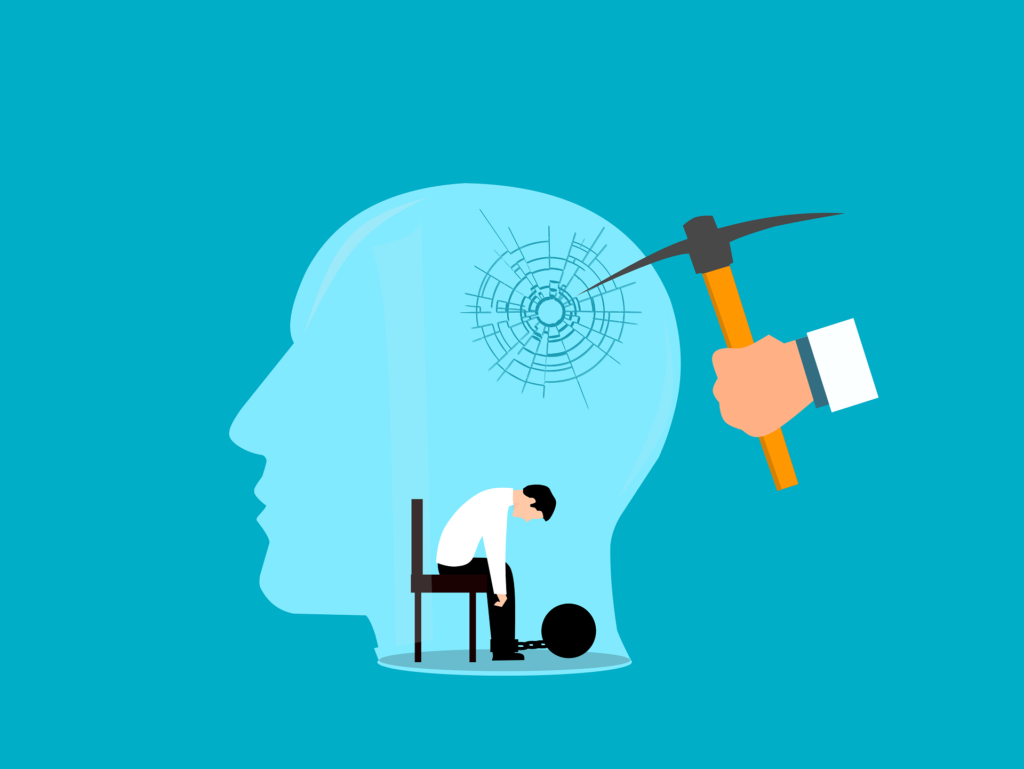
“My heart feels strange. It suddenly starts racing. I can’t breathe. I feel like I might die.”
Many people who experience a panic attack describe it this way.
Some visit the emergency room believing something is seriously wrong with their heart. After medical tests show no physical problem, embarrassment often follows. Over time, the intense fear subsides — but a new fear appears.
The fear that it might happen again.
That anticipation can quietly reshape a person’s life. Situations that once felt ordinary begin to feel threatening. Avoidance becomes a coping strategy.

Panic Attacks vs. Panic Disorder
A panic attack is a sudden surge of intense fear accompanied by physical symptoms.
Panic disorder, however, is not defined by a single episode. It involves:
- Repeated panic attacks over time
- Persistent fear of future attacks
- Behavioral changes to avoid triggering situations
It is important to understand that panic attacks can occur in other conditions as well, including:
- Social anxiety disorder
- Specific phobias
- Agoraphobia
- PTSD
- Mood disorders
A proper medical evaluation should always come first when experiencing unusual physical symptoms.
Understanding the difference between physical stress responses and panic disorder is a crucial first step toward recovery.
Common Symptoms of Panic Disorder
Panic disorder involves both physical and psychological symptoms. These may include:
1. Autonomic Symptoms
- Rapid heartbeat or palpitations
- Sweating or chills
- Trembling
2. Chest and Abdominal Symptoms
- Chest tightness or discomfort
- Nausea
- Abdominal distress
3. Cognitive and Emotional Symptoms
- Fear of dying
- Fear of losing control
- Feeling detached or unreal
4. Sensory Symptoms
- Tingling sensations
- Numbness
5. Anticipatory Anxiety
- Ongoing worry about future panic attacks
6. Avoidance Behavior
- Avoiding situations believed to trigger attacks
It is important to distinguish panic symptoms from other medical conditions. When unusual physical symptoms appear, a medical evaluation should always be considered first.
Do Panic Attacks Always Require Treatment?
A single panic attack does not automatically mean panic disorder.
Research suggests that many people experience at least one panic episode in their lifetime. Panic disorder is typically considered when:
- Attacks occur repeatedly
- Fear persists for more than a month
- Daily life becomes restricted due to avoidance

Approaches to Treatment
The two primary evidence-based treatments are:
1. Medication
Commonly prescribed medications include antidepressants and anti-anxiety agents. These are typically managed under psychiatric supervision. Medication decisions should always be individualized.
2. Cognitive Behavioral Therapy (CBT)
CBT focuses on identifying and restructuring catastrophic thoughts related to panic sensations. Techniques may include:
- Breathing exercises
- Gradual exposure
- Cognitive reframing
CBT is often highly effective and may be combined with medication during early treatment stages.
Practical Steps Toward Recovery
1. Understanding the Mechanism
Learning how panic attacks occur reduces catastrophic interpretation of bodily sensations.
When individuals recognize that symptoms, while uncomfortable, are not life-threatening, the intensity of fear often decreases.
2. Writing the Thought Process
Documenting:
- What happened before the attack
- What thoughts arose
- What emotions followed
- How the panic escalated
This helps bring unconscious thinking patterns into awareness.
3. Emotional Regulation
Stress accumulation often precedes panic episodes. Healthy outlets such as:
- Exercise
- Walking
- Creative activities
- Meaningful conversations
can help regulate emotional thresholds.
4. Self-Reflection
Individuals with panic disorder are often high-achieving, self-demanding, and accustomed to internal pressure. Addressing perfectionism and chronic stress is an important long-term prevention strategy.
A Final Perspective
Panic disorder can improve. Many people recover with appropriate understanding and support.
Early recognition, balanced treatment, and self-awareness often lead to meaningful progress.
If symptoms significantly interfere with daily life, consulting a qualified professional is strongly recommended.