Modern life moves quickly. Information travels instantly, work often continues beyond office hours, and expectations can feel constant. For many people, stress has quietly become part of daily life.
Stress itself is not always harmful. In moderate amounts, it can help people stay focused, motivated, and alert. Problems arise when stress becomes persistent and recovery periods become too short.
Why Stress Feels Stronger Today
Several factors contribute to the intensity of modern stress.
First, digital connectivity means people rarely feel completely disconnected from responsibilities. Messages, notifications, and deadlines often follow individuals throughout the day.
Second, uncertainty in economic and social environments can increase background anxiety. Even when daily routines remain stable, uncertainty about the future can influence emotional well-being.
Finally, people often place high expectations on themselves. Many individuals attempt to balance productivity, personal growth, relationships, and financial stability simultaneously.
Over time, this combination can create mental fatigue.
Recognizing Early Signs of Stress
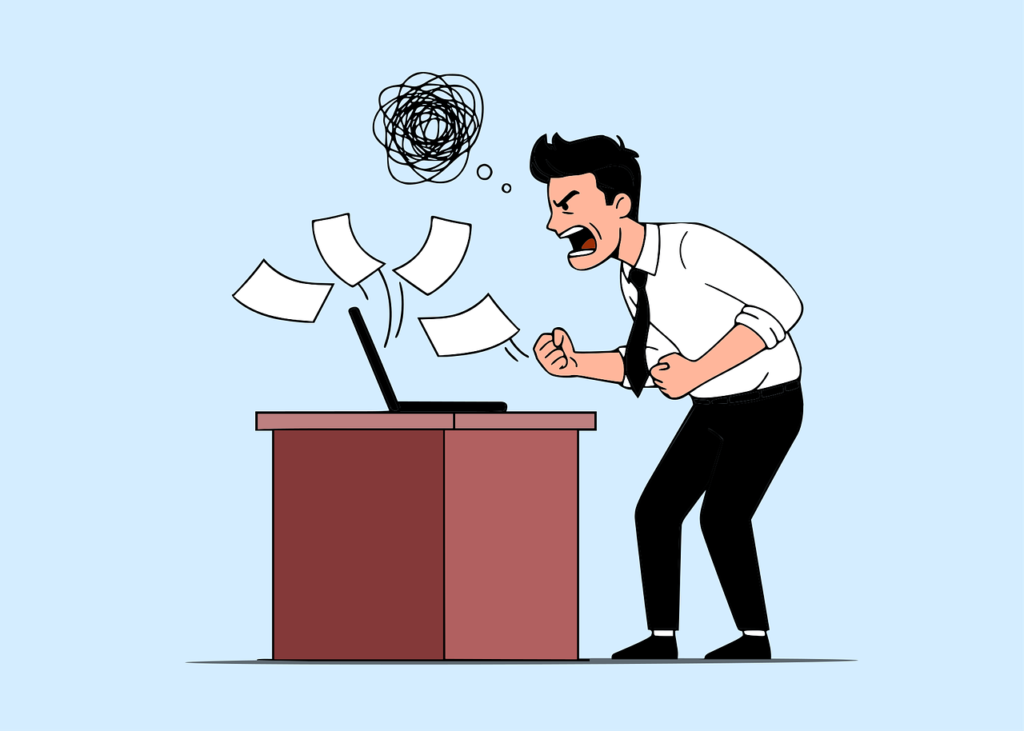
Stress rarely appears suddenly. It often develops gradually through small signals.
Common early indicators include:
- Difficulty concentrating
- Irritability
- Fatigue despite sufficient rest
- Muscle tension
- Disrupted sleep patterns
Recognizing these signals early allows individuals to intervene before stress becomes overwhelming.
Small Habits That Help Reduce Stress
Managing stress does not always require major life changes. In many cases, small adjustments can significantly improve resilience.
Regular physical activity helps regulate stress hormones and improves mood. Even simple walking can support emotional balance.
Structured breaks during work periods can also help reset mental focus. Short pauses allow the nervous system to recover from prolonged concentration.
Many people also benefit from reflective practices such as journaling or quiet reading. These activities provide space to process thoughts rather than constantly reacting to external demands.
Building Long-Term Emotional Resilience
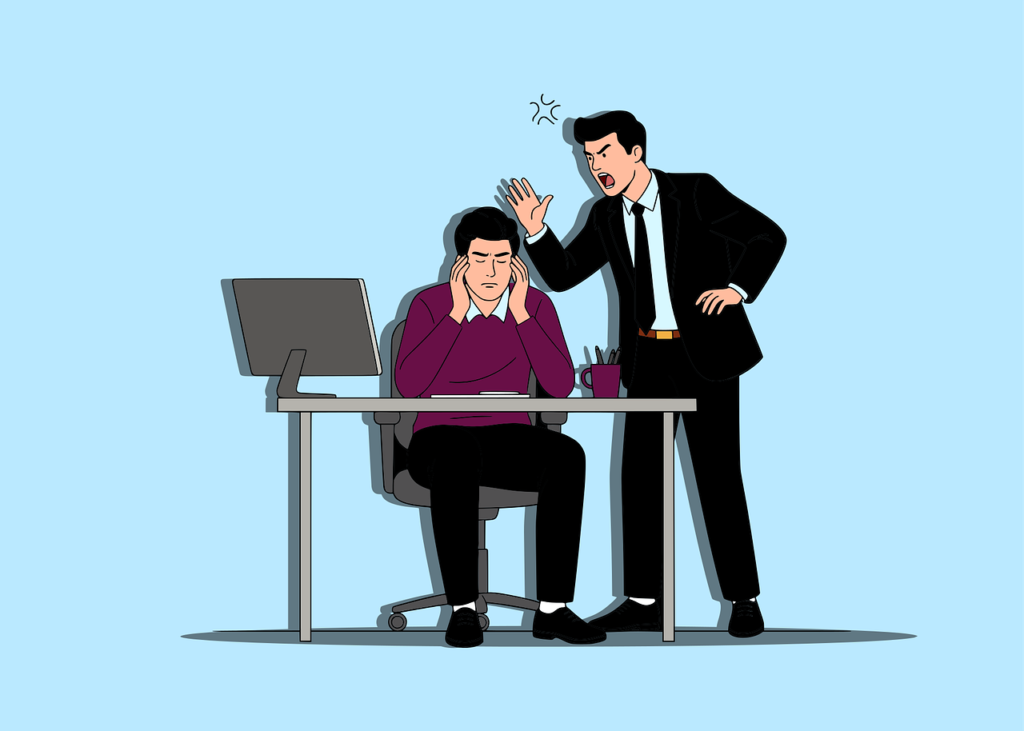
Long-term stress management often involves adjusting expectations and recognizing personal limits.
Individuals who tend to hold themselves to extremely high standards may experience greater stress accumulation. Learning to approach goals with flexibility can help maintain motivation while protecting mental well-being.
Social support also plays an important role. Conversations with trusted friends, family members, or professionals can provide perspective and emotional relief.
A Balanced Perspective
Stress cannot be completely eliminated from life. However, it can be managed and balanced.
Understanding how stress develops, recognizing early warning signs, and building small daily habits can help maintain emotional stability even in demanding environments.
Over time, consistent self-awareness and practical coping strategies allow individuals to navigate challenges without losing their sense of balance.